How to Find Used Car Parts That Fit Your Vehicle: A Buyer's Guide for Central PA Drivers
Finding used and recycled auto parts that actually fit your vehicle can save Central PA drivers significant money, but only if you know what to look for before you buy. This guide walks through the key steps every Altoona, PA, area driver should follow to source used car parts with confidence, from verifying fitment to asking the right questions at the salvage yard. Ready to skip the guesswork? Call S & S Auto Salvage at (814) 536-2249 and a team member will help you find the right part before you make the trip.
Start With Your VIN Before You Search for Anything
Your Vehicle Identification Number is the single most reliable fitment tool you have when shopping for used car parts. Every car, truck, and SUV carries a 17-character VIN that encodes the year, make, model, engine type, trim level, and country of manufacture. You can find it on the driver-side dashboard near the windshield, on the door jamb sticker, or on your registration card.
When you call or visit a salvage yard, give them your VIN rather than just the year and model. Two vehicles can share the same model name but carry different engines, transmissions, or body configurations depending on the trim. A VIN search eliminates that guesswork. Many yards run computerized inventory systems that cross-reference your VIN against available donor vehicles, making the match faster and more accurate.
What Should You Bring When You Visit a Salvage Yard?
TBring your VIN, your registration, and basic measurements if you are shopping for body panels. Knowing your paint color code, also found on the door jamb sticker, can be especially helpful in central Pennsylvania when matching existing bodywork after a fender bender on routes like US-22 or the US-220 corridor near Altoona.
A short checklist for your visit includes:
- Your full 17-character VIN written down or saved on your phone.
- Your vehicle's registration card showing year, make, and model.
- Paint color code if shopping for body panels or trim pieces.
- Part numbers from your owner's manual or existing parts if available.
- Basic hand tools if the yard allows self-pull access.
OEM Used Parts vs. Aftermarket Used Parts
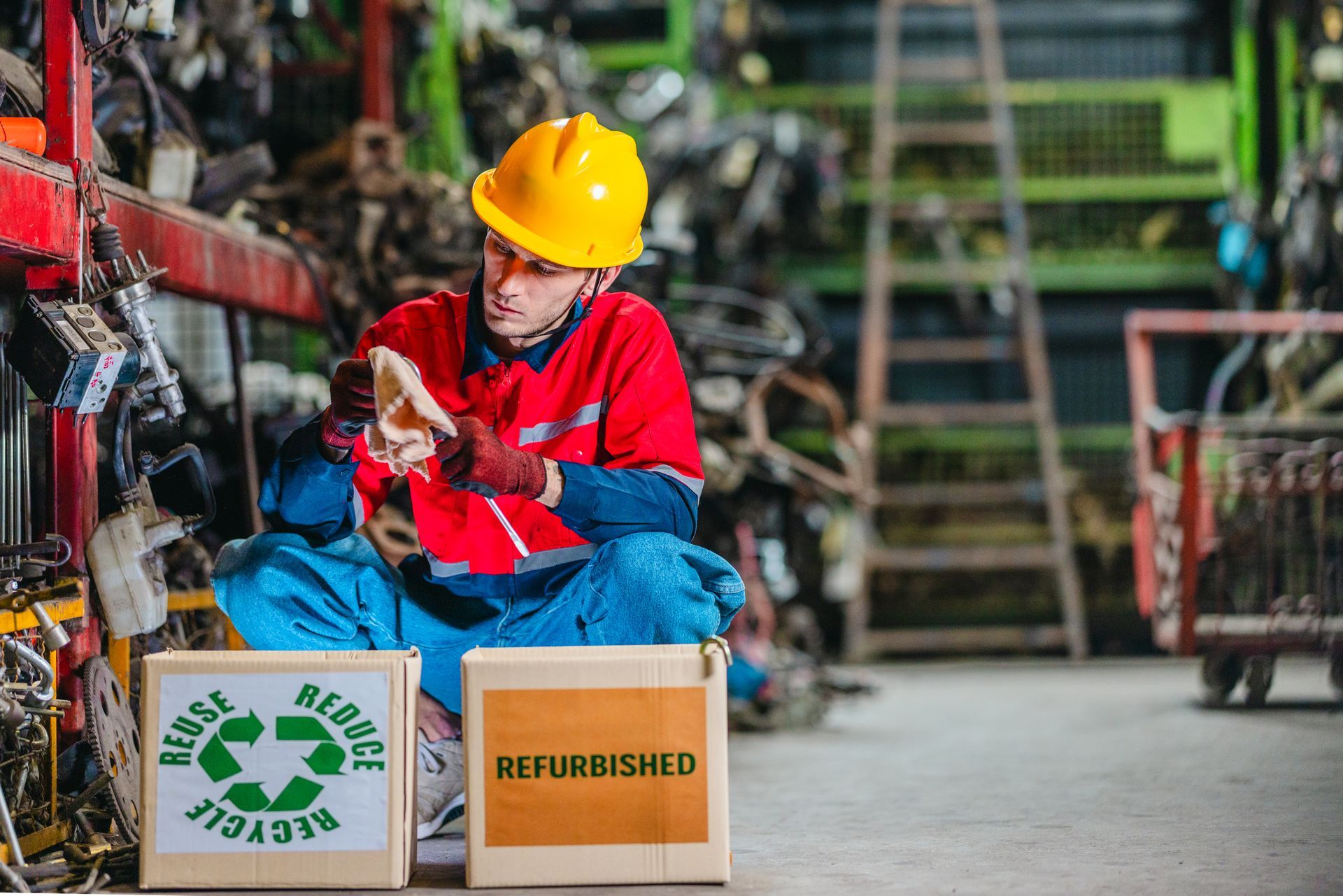
Original Equipment Manufacturer (OEM) parts came directly from a vehicle assembled to the same specifications as yours. Recycled OEM used car parts pulled from a salvage vehicle are often a strong fitment choice because they were built for that exact application. Aftermarket parts are manufactured by third parties and may be designed to fit a range of similar vehicles rather than one specific model.
For drivers sourcing used car parts in Altoona and the surrounding Blair County area, recycled OEM parts can be particularly practical. The region's rural terrain and varied weather, including significant snow and freeze-thaw cycles, can be tough on suspension, brake, and drivetrain components. A recycled OEM part from a low-mileage donor vehicle may offer a more predictable fit and durability profile than a generic aftermarket replacement. That said, aftermarket parts can work well for non-critical components.
Which Parts Are Most Commonly Available at a Salvage Yard?
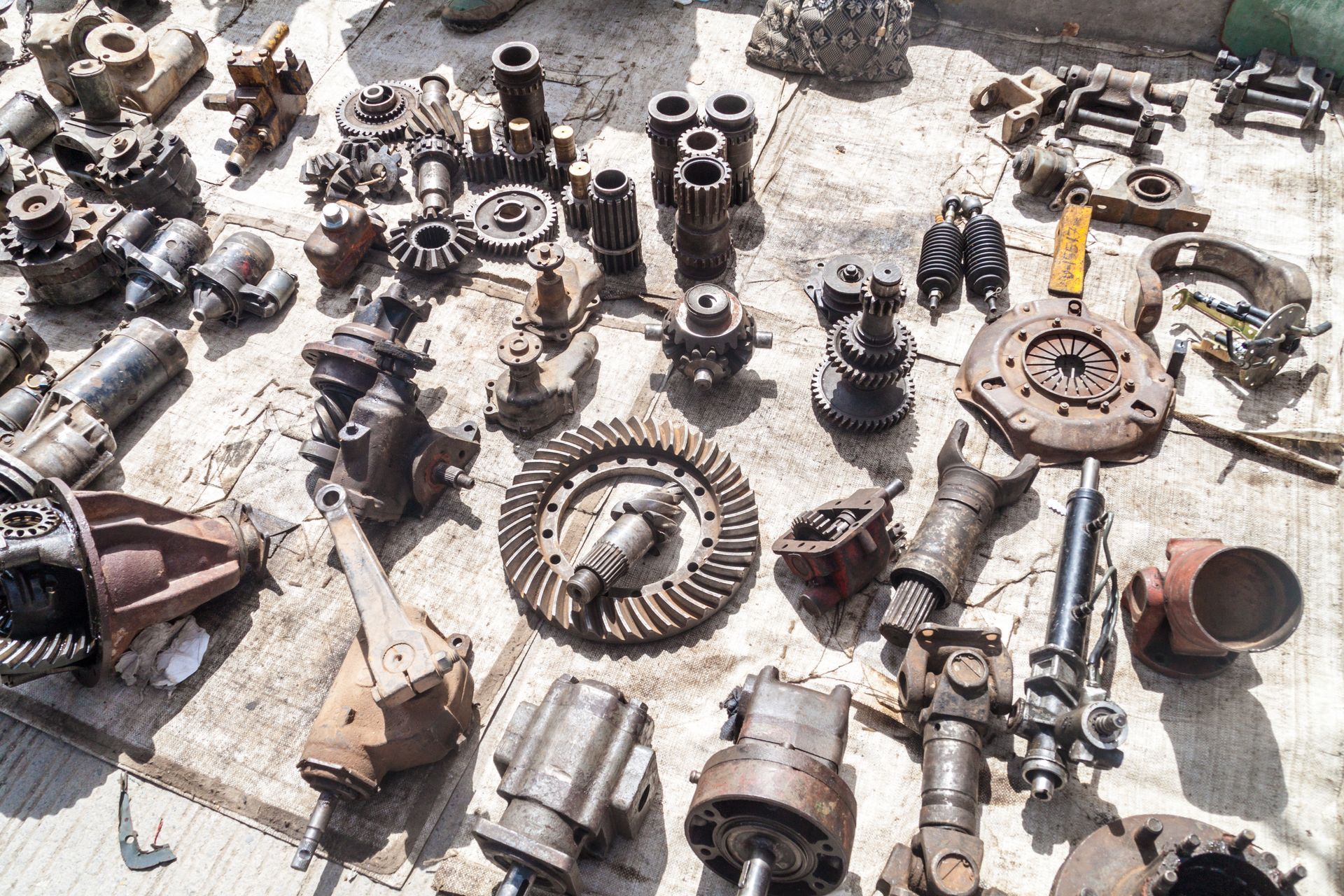
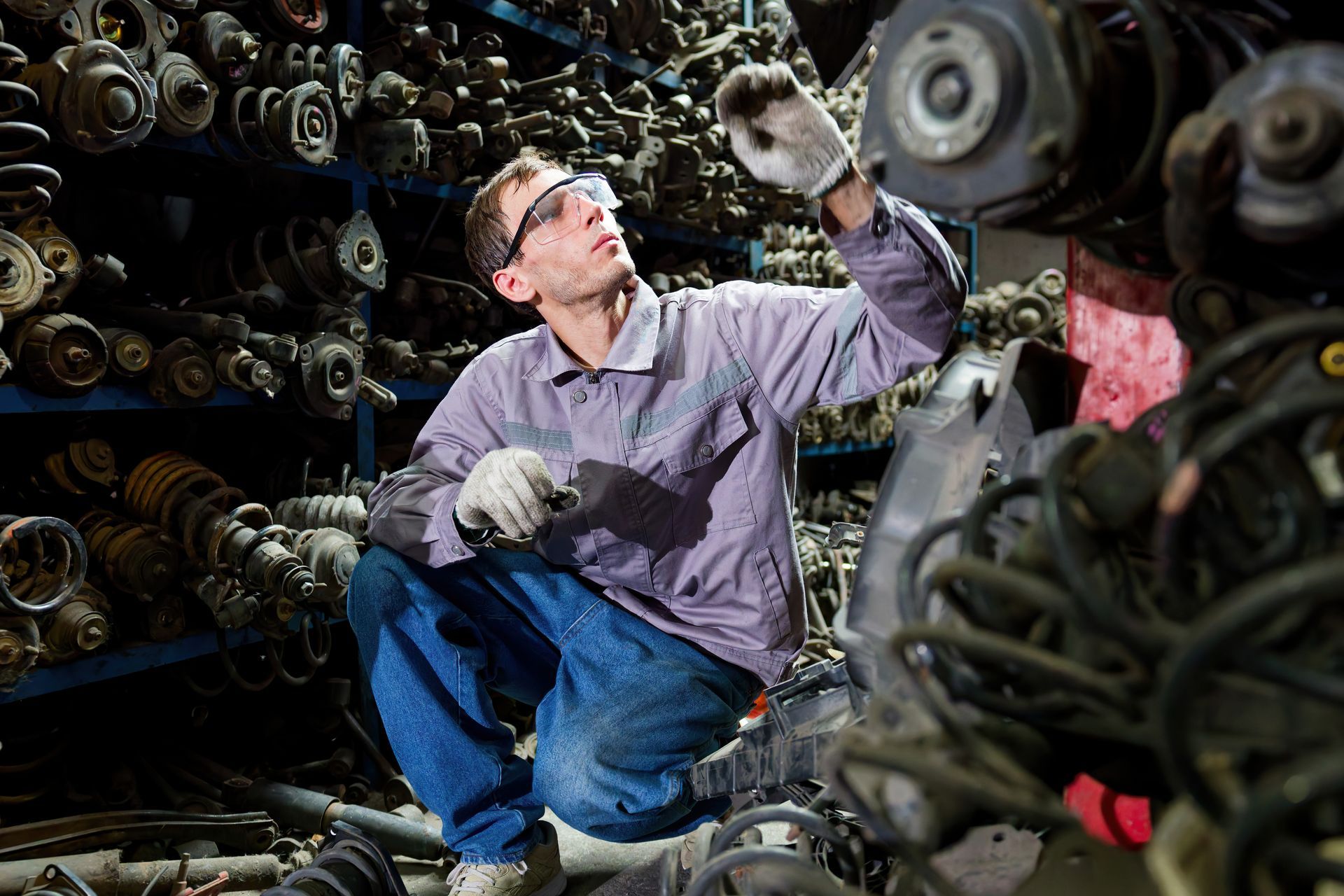
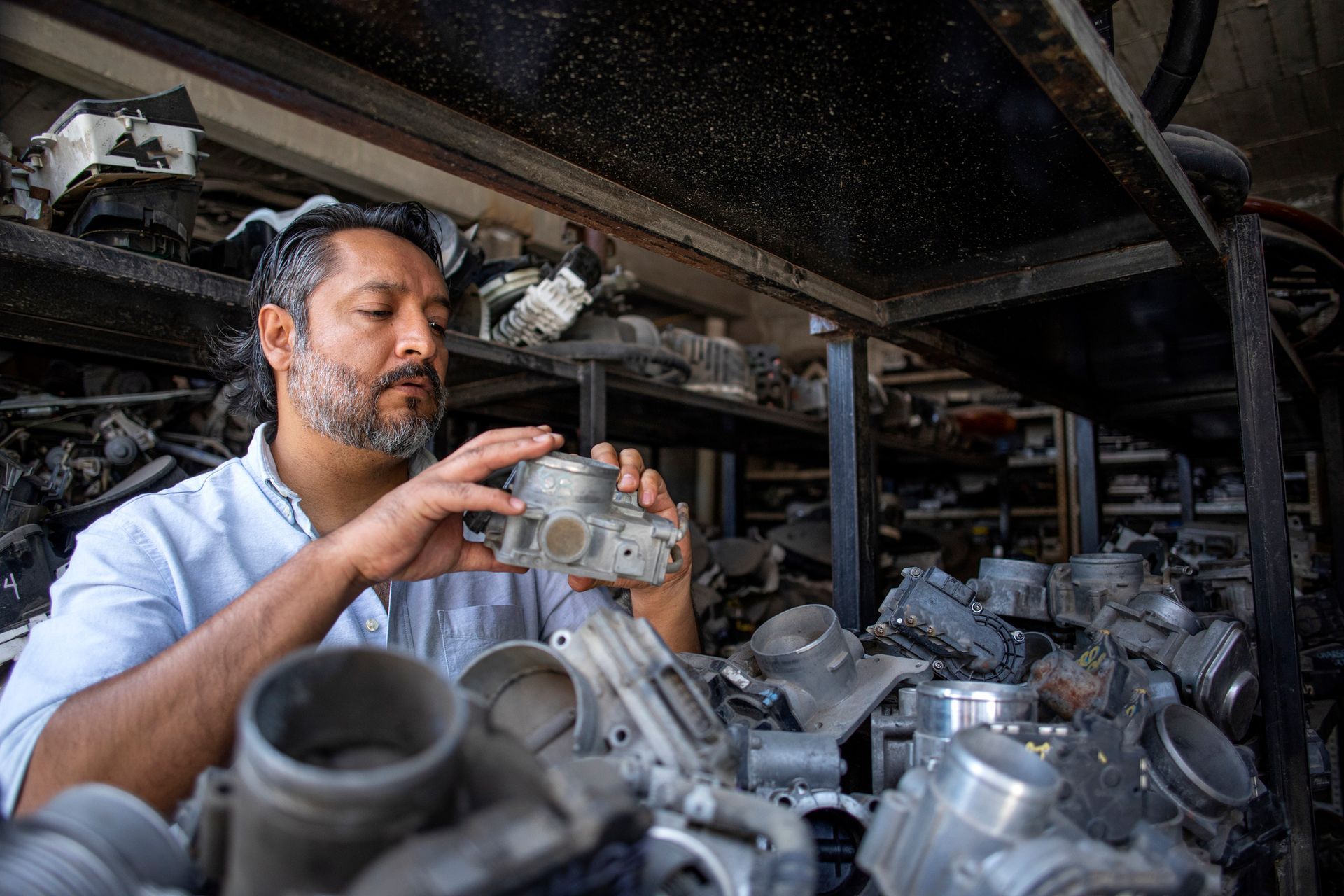
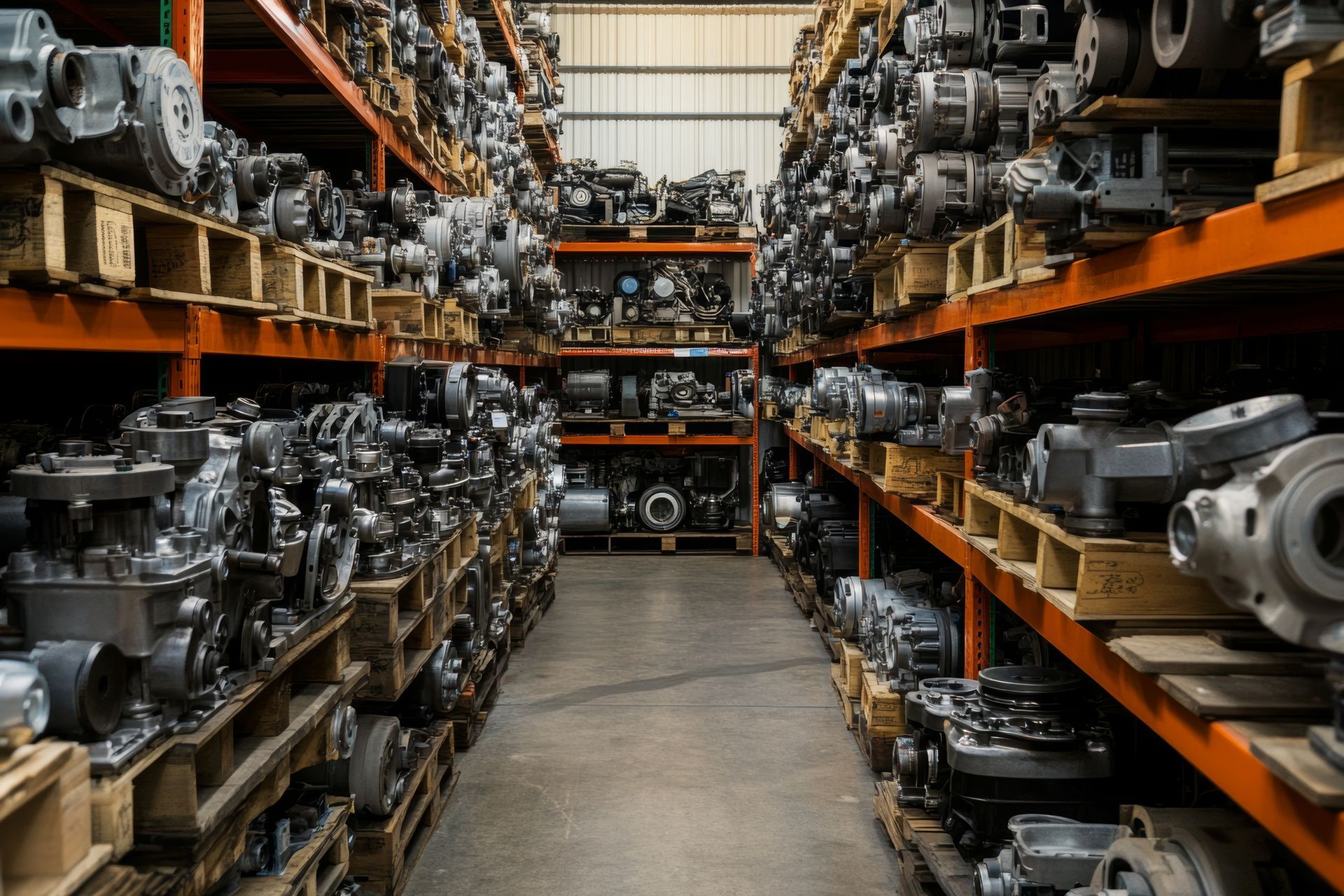
Salvage yards typically carry the widest selection of body and exterior used car parts. Common high-availability parts include doors, fenders, hoods, trunk lids, bumper covers, grille assemblies, headlight and taillight assemblies, mirrors, window glass, engines, transmissions, suspension components, and wheels. Parts that are often harder to source used include safety-related items like airbag modules, seatbelts, and brake master cylinders. Always confirm availability for specialty parts before making a trip.
How Do I Make Sure a Used Part Is Compatible With My Vehicle?
Match part numbers and confirm VIN compatibility with the yard before purchase. Ask for the donor vehicle's year, make, model, trim, and engine size, and compare it directly against your own specs. Many yards use databases that flag compatible vehicles, but verifying the match yourself adds an extra layer of confidence.
What Questions Should I Ask the Yard Before Buying?
Ask about the mileage and condition of the donor vehicle, whether the part has been visually inspected, what warranty or return policy applies, and whether the part can be tested before purchase. For mechanical parts like alternators or starters, some yards will test the component on request. Knowing the return policy upfront protects you if the part does not perform as expected once installed.
Are Used Electrical Parts Safe to Buy?
Used electrical parts can be reliable when sourced from low-mileage donor vehicles and tested before installation. Confirm with the yard whether electrical components such as sensors, modules, or switches have been bench-tested. Corroded connectors and water damage are the most common concerns with used electrical parts in Central PA, where road salt exposure is significant.
Do Salvage Yards Ship Parts, or Do I Have to Visit in Person?
Many salvage yards serve customers both locally and nationally. You can often order used car parts by phone or through an online inventory system and have them shipped, which is useful for Altoona-area drivers who cannot find a specific part locally.
Find the Parts You Need Serving Altoona, PA
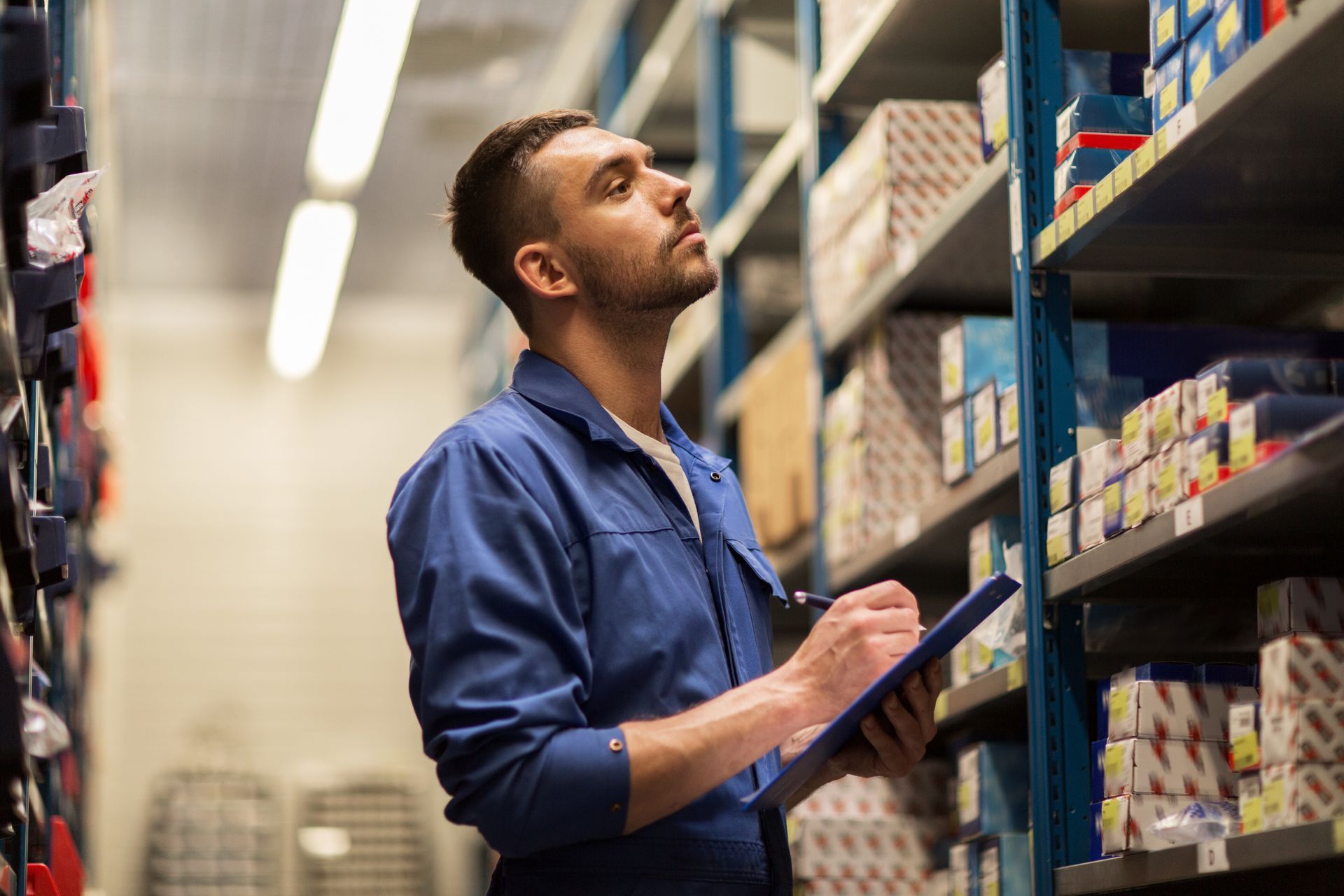
Drivers throughout the Altoona, PA, area looking for quality recycled auto parts have a proven regional option nearby. Look up S & S Auto Salvage on Google Maps for directions, hours, and business details. S & S Auto Salvage has served the Johnstown and Altoona metro area for over 40 years, offering a large inventory of used car parts for domestic and foreign vehicles of all makes and models. Their computerized inventory system allows you to search by part and vehicle, and staff can help match donor vehicle specs to your VIN.
To find the right part for your vehicle, visit the used auto parts inventory or contact the team directly. Call (814) 536-2249 Monday through Friday, 8:30 a.m. to 5:00 p.m., to confirm availability before your visit.